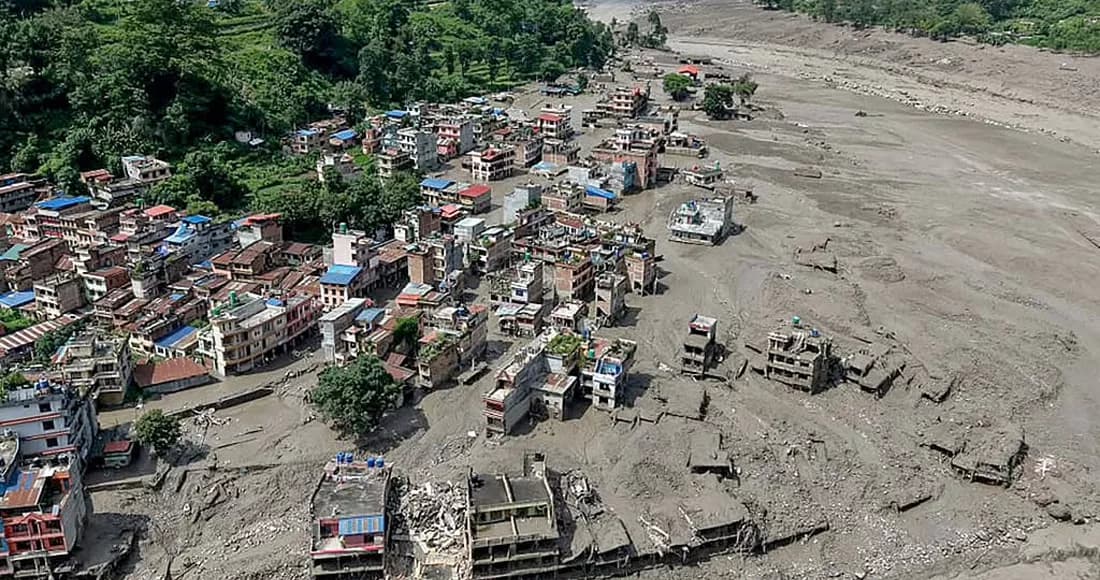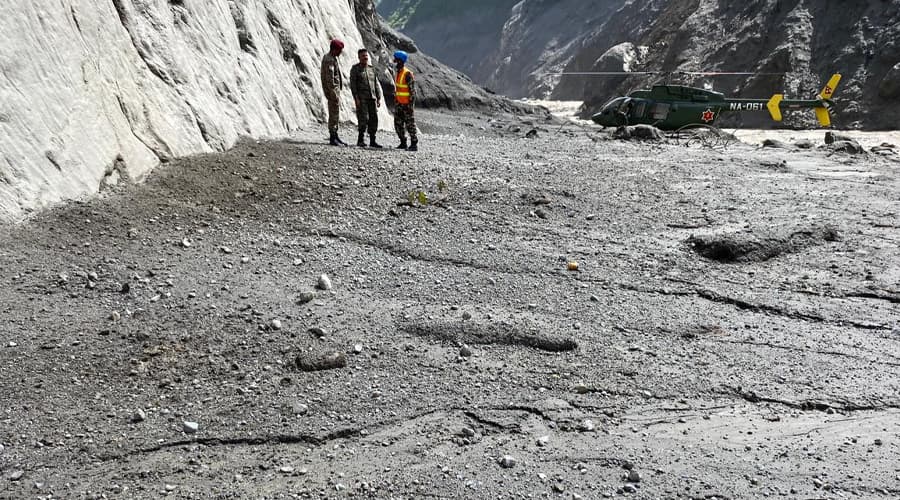

16 August, Kathmandu. Due to the floods in the Bagmati and Bishnumati rivers, the sewage treatment work of Dhobighat sewage treatment plant in Kathmandu has been stopped.
According to the Project Implementation Directorate (PID), the sewage treatment work was affected after the flood deposited stones and sand in the main pipeline of the treatment plant.
Ramkumar Shrestha, head of PID and engineer, informed that there was a problem in the operation after stones and sand fell into the main pipeline of the processing center which was undergoing testing.
Even earlier, sewage treatment work at the center was disrupted due to floods. He said that the PID repaired the closed center and brought it back into operation.
The center, which has a sewage treatment capacity of 3.72 million liters per day, was being tested since June 30.
This development carries broader significance for local communities, public services, and policy implementation across Nepal.
Key stakeholders, including institutional authorities and subject matter experts, emphasize that effective follow-through and transparency will be critical going forward.
Analysts note that sustained coordination among responsible bodies will determine the practical impact and long-term outcomes of these measures.
Community representatives have also stressed the importance of accessible public information, accountability, and timely delivery of services.
Looking at past trends and operational data, timely periodic reviews and structured oversight remain essential for tangible success.
The multidimensional impact of this matter on regional economic activity, social well-being, and institutional efficiency is being closely monitored by observers.
Concerned administrative departments and local stakeholders are expected to release updated procedural guidelines and timelines in the coming days.