Dasain is the biggest and most important festival of Nepalese people. On this occasion, it is customary to cook and serve meat dishes in every house. Along with tika, blessings, meeting with relatives and fun, meat feast is also an integral cultural part of Dasain.
In the excitement of the festival, something we often forget is how to identify safe meat, how to buy, how to store, how to cook and how to eat.
Carelessly cooked and eaten meat can cause everything from stomach ache, diarrhea to serious foodborne illness.
What is red meat and white meat?
In general, meat can be divided into two main groups - red meat and white meat.
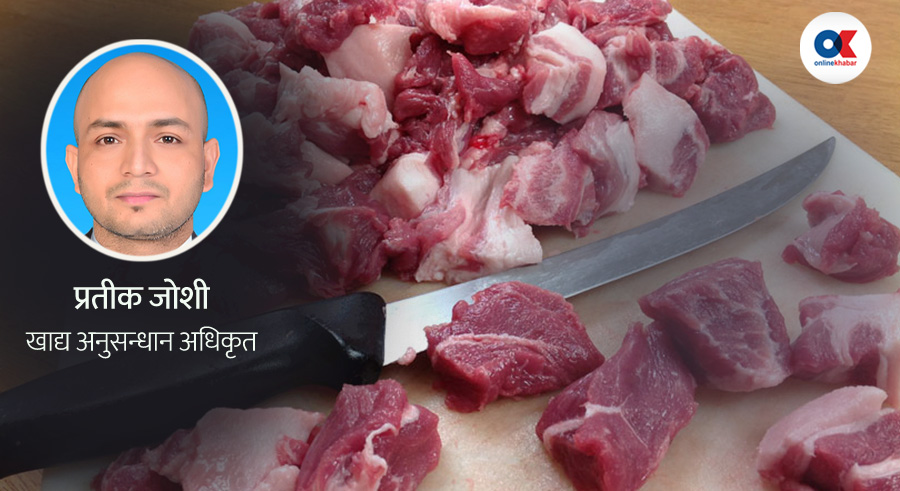
Red meat is the meat of large mammals such as goat, goat, snake, buffalo and pig. It has a red color due to the presence of a protein called myoglobin. Khasi and Changra meat is cooked as the main dish during Dasain.
White meat is the meat of birds such as chicken, duck and fish. It has less myoglobin and the color is lighter.
What is the difference between red and white meat?
Red meat is rich in protein, iron, zinc and vitamin B12, which is beneficial for the body. But since it is also high in saturated fat, it can increase the risk of heart problems, high cholesterol and obesity if consumed in large quantities and frequently.
White meat, especially chicken cooked with the skin removed, is considered relatively light and easy to digest because it is low in fat and high in protein.
This does not mean that you have to give up red meat completely. It can be eaten as a sweet and traditional dish during festivals, but it is necessary to maintain a balance in quantity. You should not eat too much meat at once and you should also continue to consume vegetables, pulses, fruits and water at the same time.
Why is it necessary to pay attention to food hygiene of meat?
During Dasain, many animals and birds are slaughtered at the same time, the demand and supply of meat in the market increases rapidly, so the quality control becomes a challenge. Poorly cut, carelessly processed or stored meat may contain bacteria such as Salmonella, E-coli, Campylobacter, which can cause foodborne illness.
Symptoms such as nausea, vomiting, diarrhea, abdominal pain, and fever may appear within a few hours to 1-2 days after eating bad meat. Therefore, it is advisable to follow the general but practical suggestions below.
Things to consider when buying meat
-Buy from a trusted source
- The color of fresh meat is dark red in natural red meat, pink in chicken meat. It is better not to buy it if it smells bad or if the color looks pale and dull.
- Make sure the animal is healthy
- Prefer chilled meat
What to pay attention to when slaughtering at home?
Especially, on Dasain, many families have a tradition of slaughtering goats themselves at home, which is not the case on normal days. For this it seems necessary to take special precautions. Keep the cut area clean and separate, then clean thoroughly.
Dispose of waste, including blood and feces, promptly and properly, as these attract flies and germs.
Keep young children away from the cutting process.
Do not eat the meat if the animal is sick or abnormal before it is slaughtered.
- Fast freezing: After buying the meat, put it in the fridge or freezer as soon as possible. Do not keep it in the outdoor environment for more than two hours, especially if it is hot or rainy, it can deteriorate faster.
- Keep raw and cooked meat separately
-Knives for cutting raw meat, chopping boards and utensils should not be used for other foods.
Precautions to be taken while cooking
Thorough cooking from the inside: The meat should be well cooked from the inside. Care should be taken that there is no red or pink in between. In particular, the risk of salmonella infection is high when chicken meat is kept half raw.
- Keep your hands and dishes clean, wash your hands with soapy water after touching raw meat. Also wash the dishes thoroughly.
-Do not eat cooked meat after keeping it for a long time
- Eat salads, fruits, green vegetables along with meat.
- Drink plenty of water and fluids.
-Choose balanced cooked meats rather than highly oily-spicy dishes.
People with heart, kidney or stomach diseases should pay special attention to red meat consumption
-Young children, pregnant women and the elderly should only eat well-cooked, fresh meat.